
A Conversation with Slow Food Hudson Valley Snailblazer Award Recipient, Kathleen Finlay
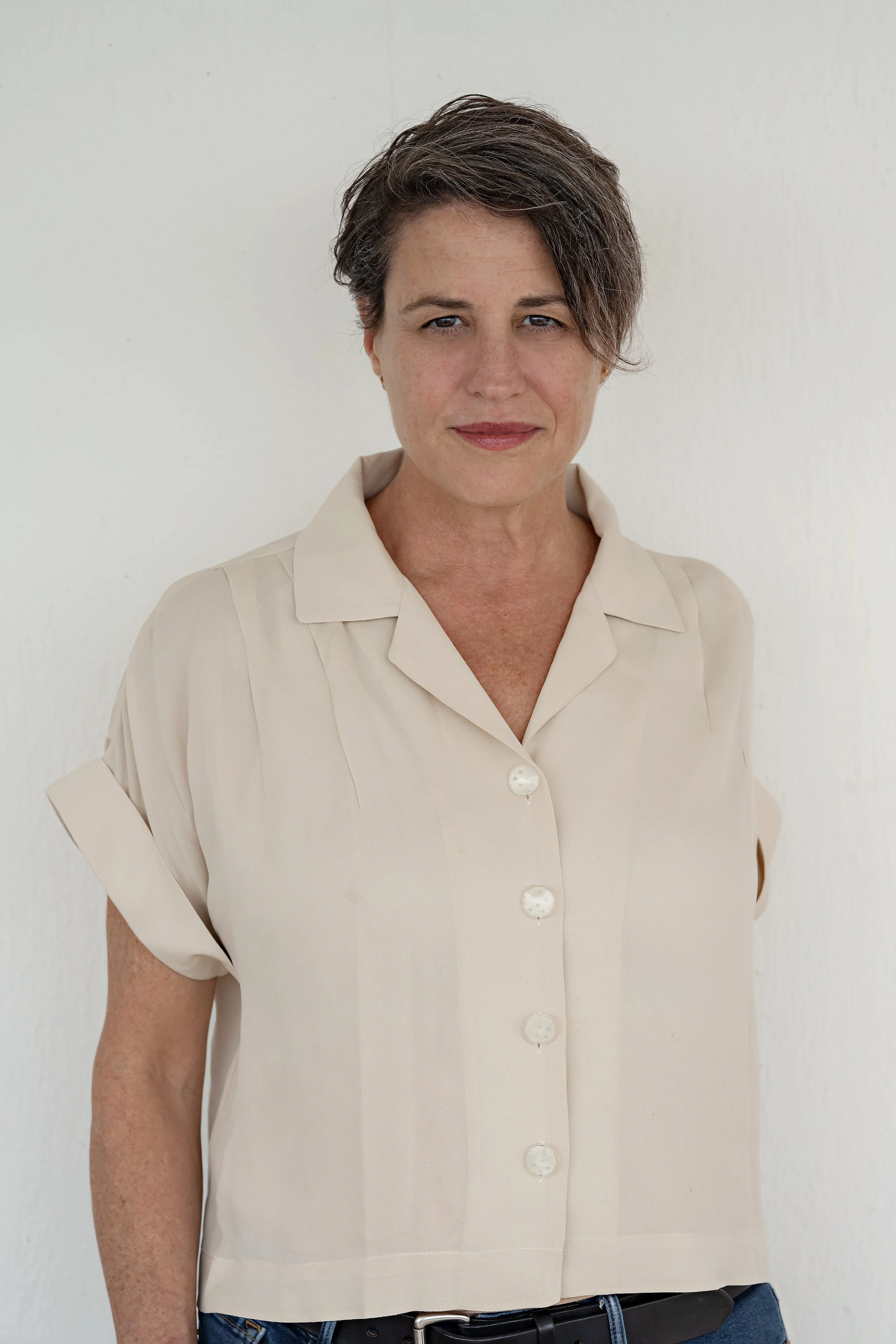
Kathleen Finlay is a self-described connector of feminist leaders, with a passionate commitment to social and environmental justice. Fortunately for the Hudson Valley, since 2014, she has brought her visionary advocacy to bear at the Glynwood Center for Regional Food and Farming in Cold Spring, NY. Under her leadership, Glynwood has become a national model for cultivating just, resilient food systems that help farmers, land, and communities thrive. Her work has earned her a voice on some of the most influential stages in agricultural policy, the prestigious Rachel Carson Award — and, at this year’s spring benefit (April 26, 2026), Slow Food Hudson Valley’s inaugural 2026 Snailblazer Award.
Those of us who live or spend time in the Hudson Valley are far more fortunate than we may know to have this transformative non-profit in our backyards. Its impact can be felt in the working landscapes preserved from development that we delight in as views, a vibrant new generation of farmers working the land responsibly, flourishing farmers' markets and CSAs, partnerships between regional farms and soup kitchens and food pantries, and the seemingly boundless abundance of produce growing right under our feet.
Earlier this month, Slow Food Hudson Valley’s Valerie Kathawala sat down for a wide-ranging conversation with Kathleen in her sun-flooded office on Glynwood’s 226 acres of working farmland.* It turns out that Kathleen’s work is as multifaceted and intricately interlinked as the Hudson Valley ecosystem itself. In this conversation, she explains how she came to food and farming, Glynwood’s core mission, how to think about the Hudson Valley as a bioregion, the challenges and wins for farmers and eaters in our area, why she calls farmers “frontline healthcare workers,” and what she and Glynwood are doing to lead the fight for good, clean, fair food for all. Most importantly, she shares the simple, joyful ways you can help advance this empowering mission.
*This interview has been edited for clarity and concision.
SFHV You describe yourself as a “connector of feminist leaders, passionate about social and environmental justice.” Please dig into how this plays out for farmers, land, food, and the Hudson Valley.
KF I think at the core of successful, healthy, just, beneficial food systems are relationships. Relationships between farmers, between eaters and farmers, between farmers and land. At its very essence, the work is about building healthy relationships in that ecosystem. A lot of the work I do personally, in all areas of my life, but also an approach we take a lot of pride in at Glynwood, is to center relationship-building.
SFHV Your background is in science, journalism, nonprofit management, and social issues. Where and when did farming and food come together with that?
KF It's a long story. The short version is I'm a big-picture thinker, but in our educational system, there's some pressure to choose a discipline. Separating environment from sociology, from anthropology, from history — all of that is challenging to me. I think Robin Wall Kimmerer talks about this beautifully in some of her writing. But my ancestral home is Bermuda. So I have a deep connection to the ocean. I was kind of pressured to choose an area of study, and landed with ocean studies and marine systems. Doing that work helped me understand the role seafood plays in the global diet. So I was doing a lot of work around seafood and the way we eat globally as a way to help people understand how dependent we are on the natural world and on the ocean systems in particular. Through that, I realized that by focusing on food, you can affect a lot of people. We have to eat and it's also something that brings a lot of joy. So it dawned on me that food is the best gateway drug to help people understand how dependent we are on the planet's natural ecosystems. Once I understood that, I expanded my work to think about ocean-based food systems and land-based food systems. That led to thinking about the relationship between agriculture, human health, and the environment. Then, during the time I was working at Harvard [as Managing Director at Harvard Medical School's Center for Human Health and Global Environmental Change], I was doing more academic work. Glynwood was an opportunity for me to try to do or lead tangible projects, to move from academics to practice.
SFHV What is Glynwood? Its origins, purpose, and where you see having the greatest impact?
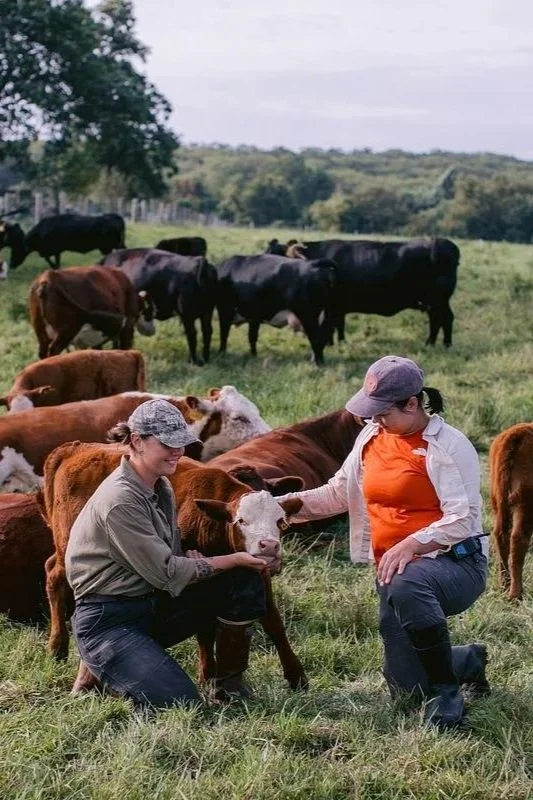
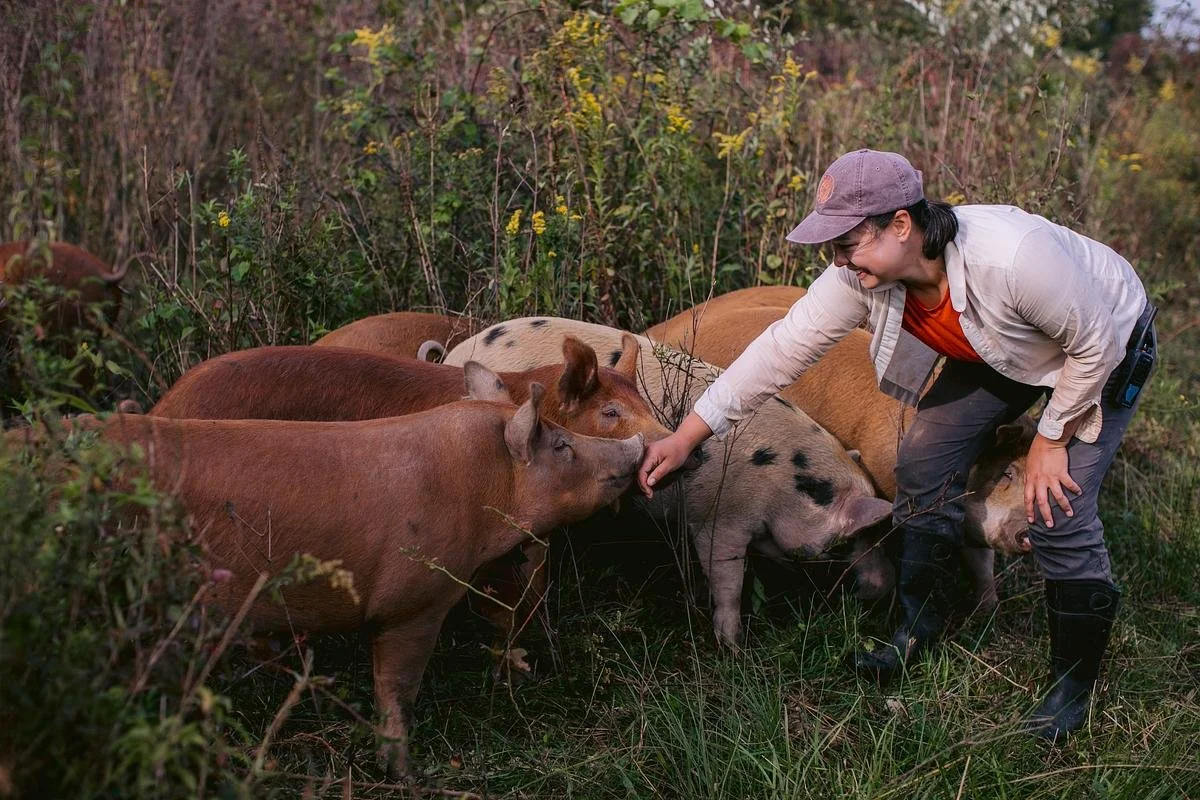
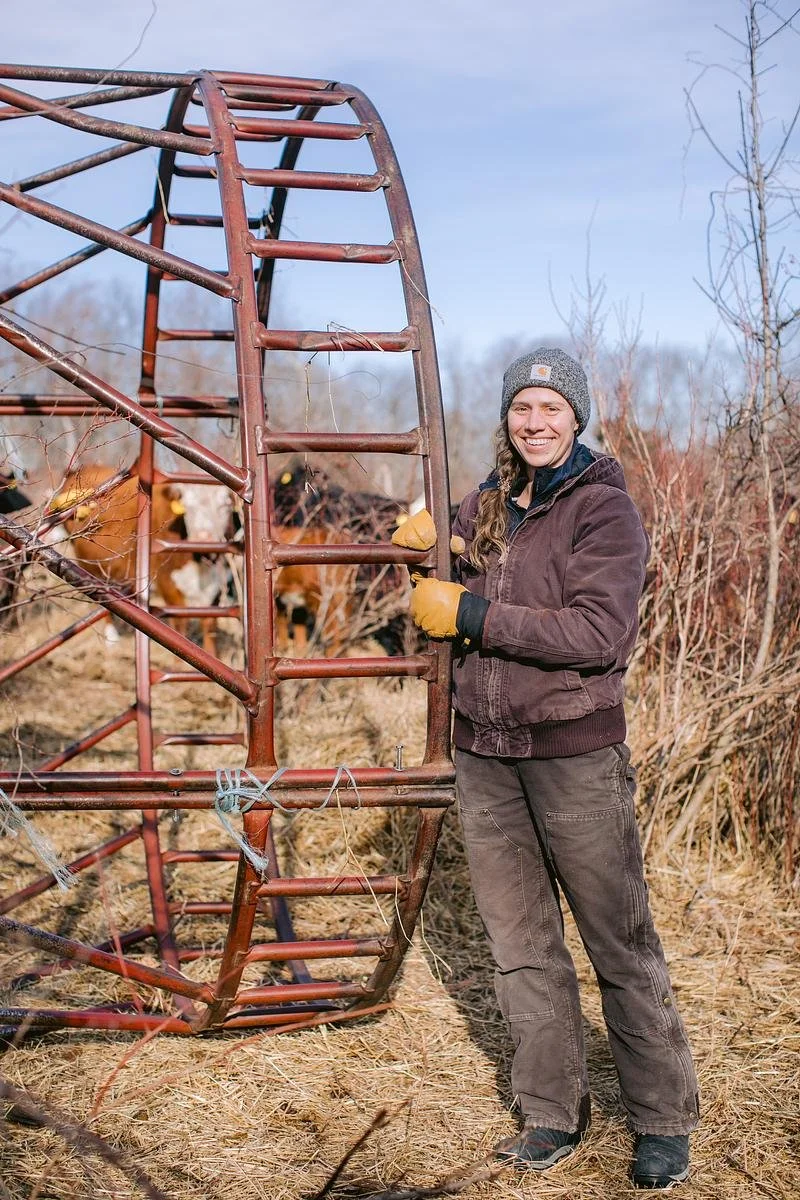
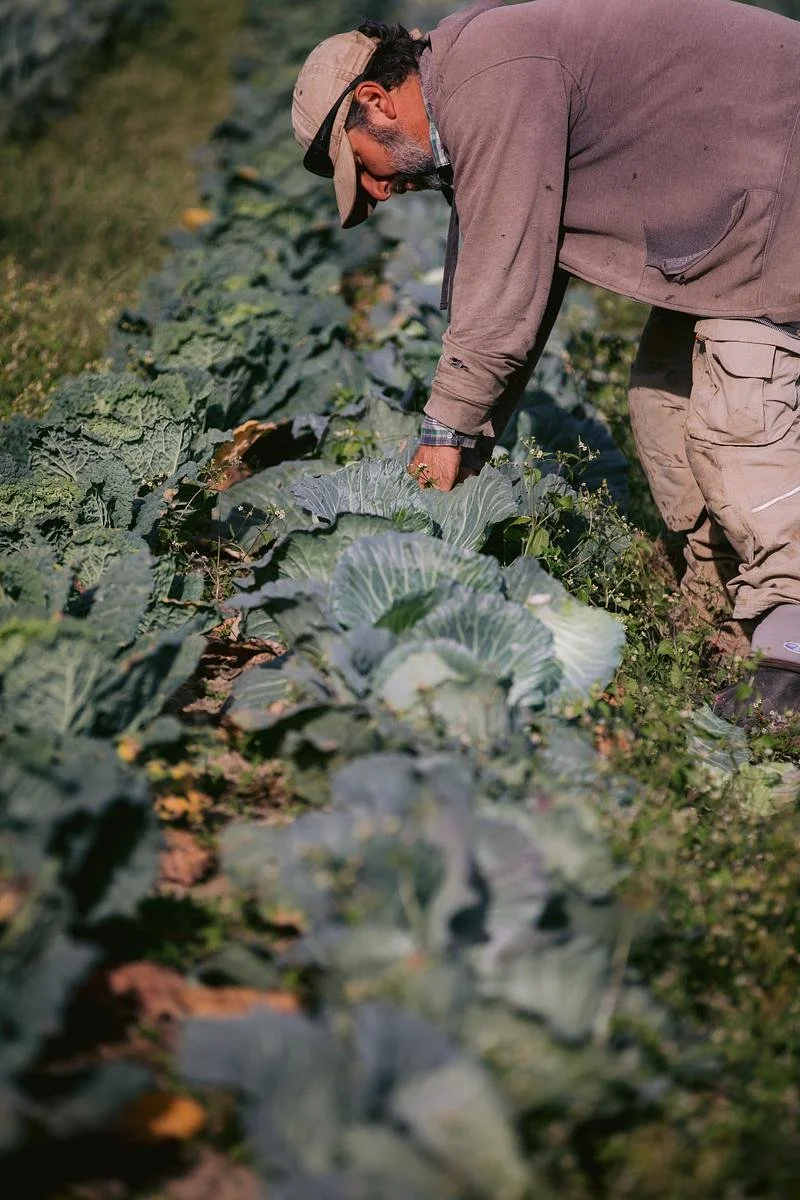
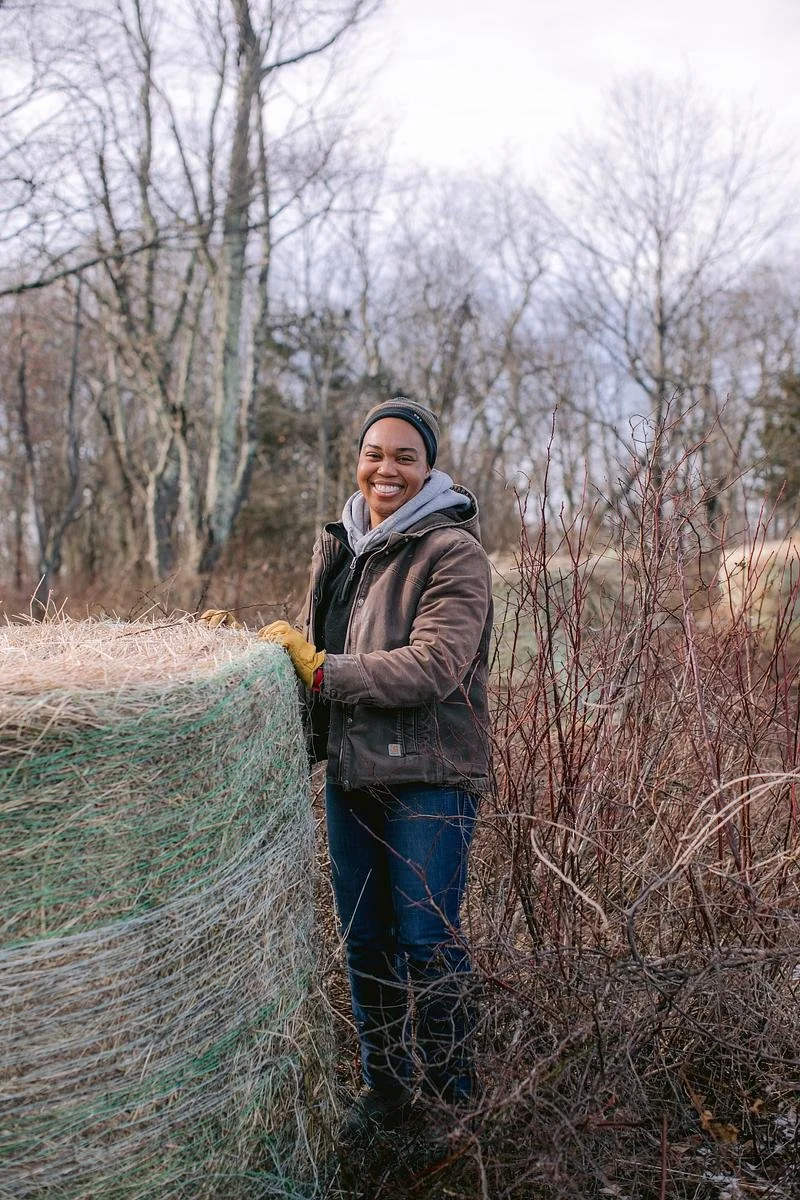
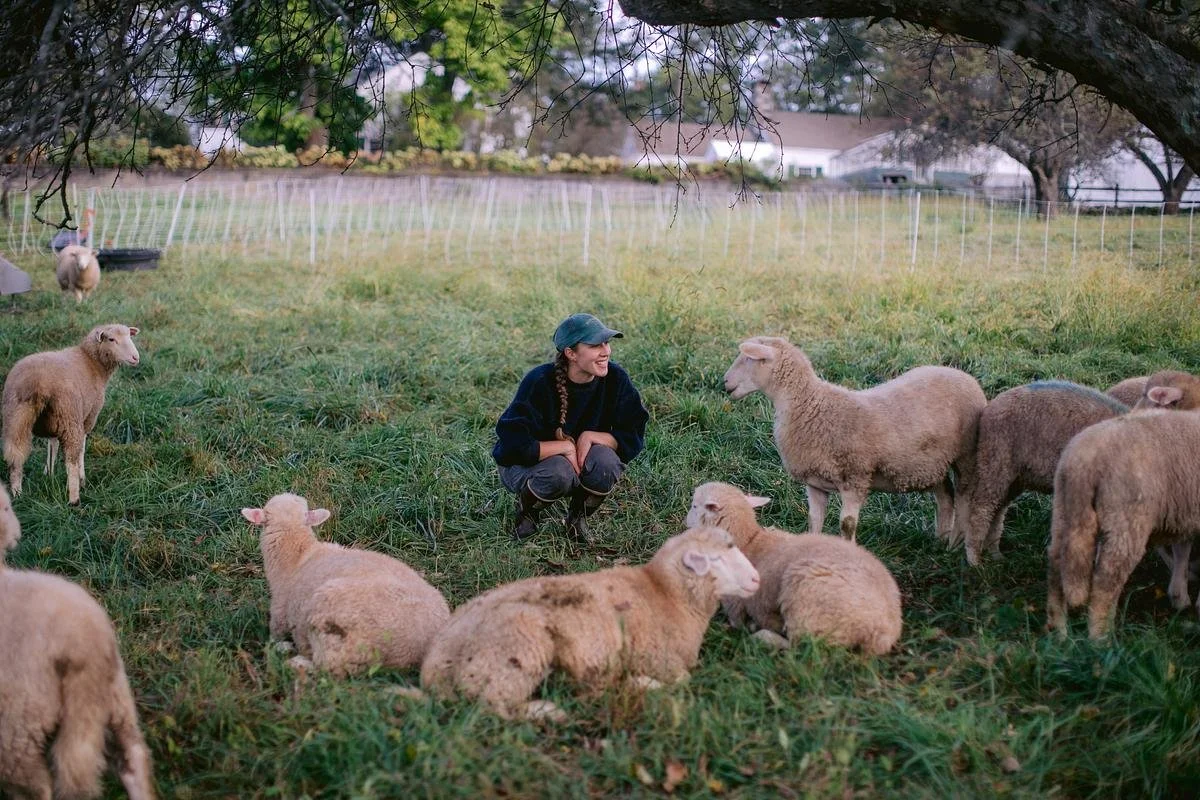
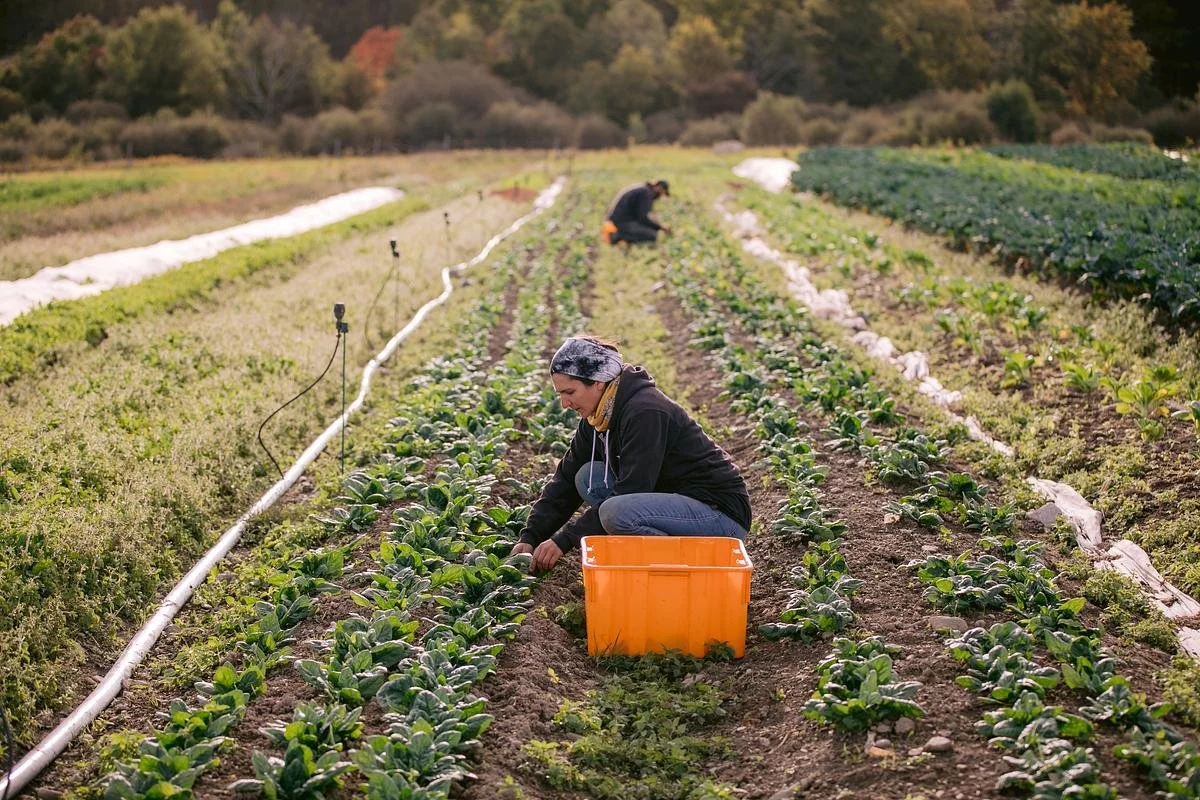
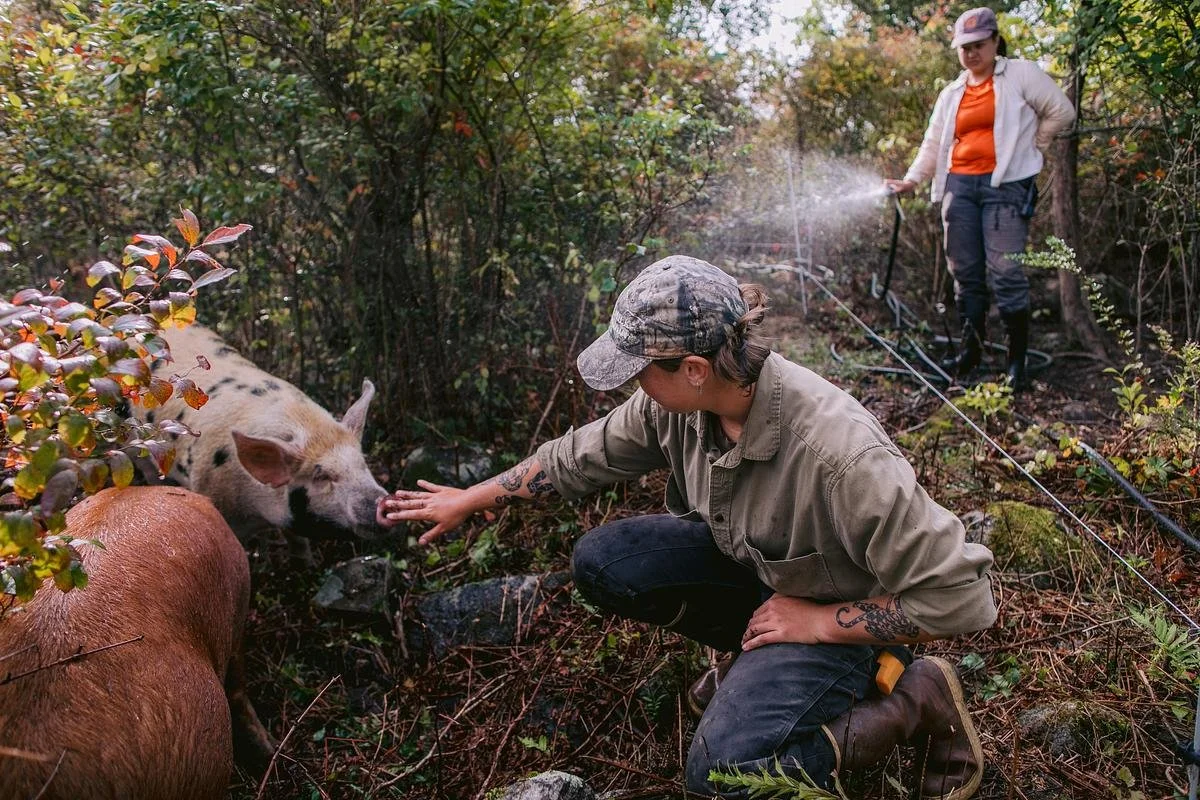
KF Glynwood is a nonprofit organization and our mission is to cultivate a just, equitable regional food system here in New York, and increasingly, working with other regions that also want to re-regionalize their food systems. We think regional is the most sane way to feed humans. For lots of different reasons. That's what separates our work from many other food-based or agricultural-based nonprofits. Glynwood as a nonprofit started in the 1990s when the [Perkins] family, who owned this property, bequeathed it — a very generous act. That family continues to be involved in our work. They are incredibly conservation-minded and have done a number of beautiful projects around land conservation in the world. At the beginning, Glynwood was more focused on preserving working landscapes, in service to farmers and to keep farms thriving. But now it's really centered on regional food system cultivation. We have four strategies where we house our impact work. Here on this property, where we're headquartered, we have a working farm. We practice regenerative agriculture to demonstrate how to farm in this region in a way that preserves the health of the soil and minimizes our impact. We're a center of learning for farmers. We train new-entry farmers through a regional apprenticeship program. The coursework is rigorous and it's one of the most well-known apprenticeship programs in the country. Apprentices do not have to come from the Hudson Valley or have to stay and work in the area. But we love it when they stick around. Many do. Most of our graduates are still farming. A vast majority of them are involved in food system work in one way or another. We also help farm businesses and do a number of peer exchanges. Our third strategy is around food access through two key programs: CSA is a SNAP and the Food Sovereignty Fund. We also donate about a third of everything we produce on this farm to our local hunger relief organizations. The last strategic area of our work is around building the markets for regional food. In the past that looked like the work we've done with hard cider in the region. That work started with a number of apple growers who were struggling and a handful of craft cider makers who wanted to use New York apples. But there were no cider apples in production at that time. There hadn't been since Prohibition. So we started — again, that relationship — just bringing apple growers and cider makers together, doing a few international exchanges with other cider-making regions. Fast forward to a thriving industry of New York cider, apple production, and hard cider production. Now there's a cider association and they basically do the work. So that's a nice model. You can move on to the next sector, like grains. That allows us to focus on one area of growth at a time.
SFHV You have said a regional food system is really about food sovereignty. Can you explain these two concepts: “regional food system” and “food sovereignty”? And what are the actions you and Glynwood are taking that are helping to realize both here in the Hudson Valley?
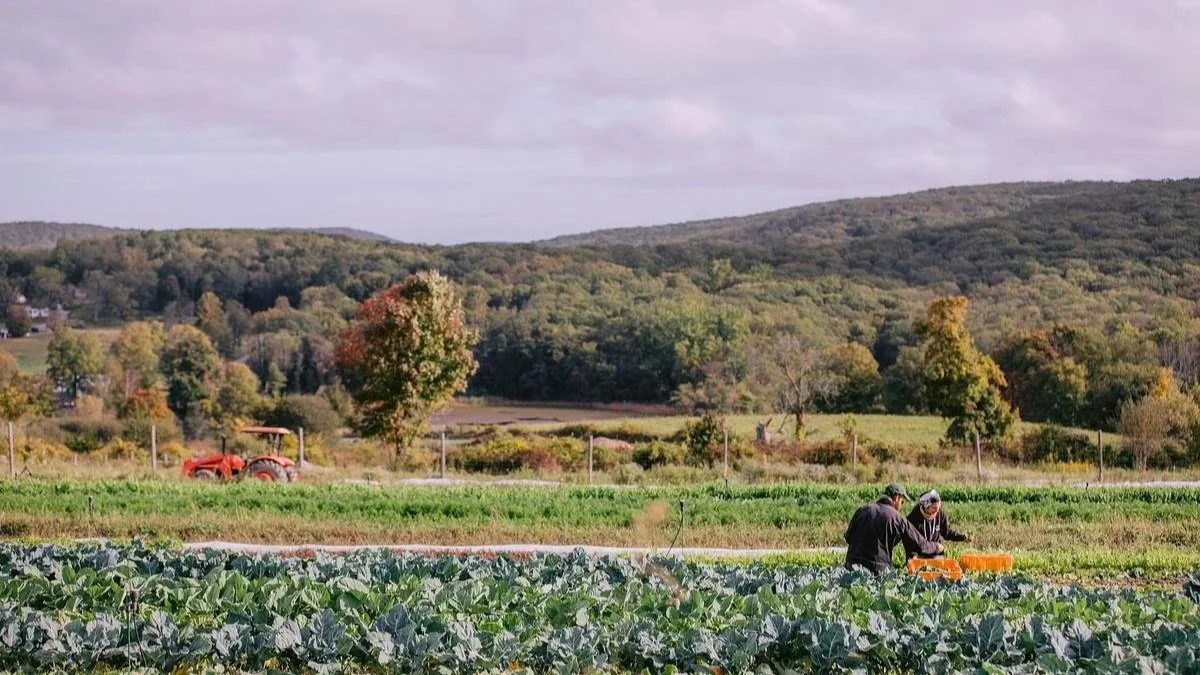
KF We define the regional food system as the bioregion of the Hudson River Valley. That roughly corresponds with New York City and then one county on each side of the [Hudson] river up to Albany. So it's a bioregion we can map out a little bit politically. Of course, we also work with Massachusetts and Connecticut. Then, because our work is not only in New York, those lines get fuzzier. For some efforts, like grains, because it's so nascent, we really think about the Northeast, instead of just the Hudson River. So the definition of region is pliable, but you get the idea. It's in stark contrast to a centralized commodified food system. Food sovereignty needs context. I think the “good food” movement that we recognize in America as starting in the 1970s was wonderful work. I was inspired by the leaders of that movement. But it wasn't inclusive of everyone. It was really targeting people with resources. So what I see now is much more food is a human right and a much more inclusive goal for the impact of the movement work. That's where that statement comes from. I think there is an assumption that we all have a choice to choose good food. I just don't think that's true. I think that we have access to whatever we're surrounded by and what we're surrounded by is a creation of a lot of different political, economic, distribution, and tangible factors. To just say someone can choose a healthier option or a more holistic option is pretty naive to me.
So then the challenge is, how do we make good food more accessible?
And that's really what we try to do at the core of our work. We do that very directly in a couple of programs. One is the Food Sovereignty Fund. This partners farms we want to help thrive in the region with hunger relief organizations like soup kitchens and food pantries. We pre-purchase a year's worth of food to be distributed to that food pantry throughout the year. What this does is twofold: it gets high-quality local food into that system. That system doesn't have a lot of food flowing through those types of organizations, the fresh food that does get there is usually donated, usually by big grocery store chains or as seconds. There are gleanings. There are things that a farmer wouldn't sell. They're the leftovers. But this program provides the first, highest-quality, most beautiful food imaginable to folks who need it the most. So that's a really important point: the right to dignified food and the right to access, to have it available to you. That's how the Food Sovereignty program differs from other wonderful programs that are trying to solve a food insecurity problem. We're trying to model food sovereignty. The other important part of that program is that it looks like a wholesale contract to the farmer, so it helps stabilize the income of that farm. They can purchase tools or seeds or hire workers, et cetera. It's a stabilizing source of income for them. So those are the two important outcomes, which then make the whole system more stable. Our other program in this area is called CSA is a SNAP. In that program, very similarly, we pay the farm up front and then a person who's using SNAP dollars can enroll as a CSA [Community Supported Agriculture] participant, which is usually challenging for those folks because you have to pay in one lump sum. So we've already paid or the farmer is taking the debt and then the SNAP participant enrolls in the program and then picks up their share using their SNAP dollars at a 50% discount. Ours was one of the first programs like that in the country, and it's been going now for four or five years.
SFHV How many Hudson Valley farms do you currently support through the Food Sovereignty Fund?
KF We're up to 31 farms in the Food Sovereignty Fund. We distribute about half a million dollars a year to those farms, which is the value of the food that goes into the hunger relief. For CSA is a SNAP, we're in 350 households and we're doubling that this year, to over 700 households.
SFHV You have said that you see food justice as a unifying force. In 2026, we are all hungry for unifying causes. Can you give an understanding of how the work you do at Glynwood fosters food justice as something that brings communities together, with a specific example?
KF I think food justice can look like a lot of different things. The Food Sovereignty Fund, for example. We make an effort to partner farmers that are from the same heritage as the eaters. So Latinx farmers are growing and distributing to hunger relief organizations that primarily feed populations that have a demographic of Latinx populations. Same with Asian farmers. We've been working with some Asian farmers and doing some food access work in Asian neighborhoods in New York City. I think that also in a less tangible way a lot of our work is about centering the farmer in the food system and uplifting and acknowledging the importance of those farmers and how they work the land. I sometimes call those farmers frontline healthcare workers. So whether we're working with the Black Farmer Fund and other organizations uplifting black farmers — all farmers, the kinds of farmers that we support, that are often from marginalized or underrepresented populations, but are also just unsung heroes of our daily lives, in a very holistic way, we are recognizing the importance of the act of farming in our daily health and lives as a form of food justice.
SFHV The Hudson Valley is one of the most desirable places in the country to farm. But it's also one of the hardest places for new-entry farmers to get a purchase on land. What is Glynwood doing to expand farm access and why is that essential to building a robust regional farm system?
KF I think access to land and access to capital are the two very tough things farmers grapple with. I’d put housing in that category, too because of the expense of living in the Hudson Valley. A couple ways we address that: In our farmer training work, we work with American Farmland Trust, Scenic Hudson, the Open Space Institute. One of the really positive evolutions I've seen since I've taken on this work is land trusts recognizing that working landscapes are really important “scapes” to preserve and helping make them more affordable for farmers who are going to work them. We have a navigator program that helps partner land owners with farmers looking for land and makes sure those arrangements are set up for success because they're pretty delicate, with different expectations. So we often play a sort of liaison role in making sure everybody's on the same page. We also invest some of our funds with a new bank called Walden Mutual. They are helping to make loans and give access to capital, which could make access to land more readily available. Then we work with folks like Dirt Capital that offer interesting ways for farmers to be able to grow into land ownership. We also have an incubating program here that addresses farmer housing.
SFHV You have said food systems at the regional scale are crucial because they build resilience against global supply chain disruptions and climate-related challenges while giving communities more control over their food supply. This is such a vastly underappreciated point. What are you doing to raise awareness of this?
KF COVID was so interesting with regard to your question because those national systems of distribution broke down and demand for local food went through the roof. It was fascinating to me that it was this wake-up call for folks, like, oh, where does my meat come from? There's how many [meat] processors in the country? It was such a moment. I had naive optimism that that experience would help so many more folks understand the importance of the work that I and Glynwood and others are doing to focus on a regional food system. I think to some extent that did happen. I think there were people that went back to that conventional system, but there were some people we seduced into becoming more participatory in a regional food system. So the majority of people now understand what it's like when those systems break down. I use examples like that and I balance them with the seduction of participating in a regional food system — very Alice Waters of me. You know, once you start meeting farmers and getting delicious food that has been harvested, perhaps the day you're eating it or the variety of tastes that are available by participating in something like a CSA or going to a farm store, that tends to speak for itself. It's so pleasurable to participate in this system and it feels so good. And the community is so great. I tend to weave these beautiful farm dinners here, where it’s very communal and convivial. You don't know who you're going to sit next to. Everyone brings their own wine. The food is all from this place. Everyone's just in a state of pleasure and it's accessible pleasure.
SFHV What are three things you would love everyone to understand about the Hudson Valley as a regional food system that they might not yet be aware of?
KF I think most people understand the agricultural heritage of this area, but to really understand that we could support growth in a way that is equitable, inclusive, just, and healthy and beautiful. That's one. There is a lot of food insecurity in the Hudson Valley and there's an opportunity to support both the kinds of farms we want to see thrive and to feed all of our neighbors regardless of their income.There are really accessible ways to engage directly with the farming community. Whether it's signing up for a CSA or finding out where your closest farm store is or figuring out which restaurants are supporting the farmers: just think about how you can plug in to that system. I think the seduction will take care of the rest.
SFHV If you could wave a wand and change just one thing about the Hudson Valley food system what would it be?
KF I think it's getting more financial support to the kinds of farms we want to see thrive. It comes down to dollars and dollars can show up in different ways: trainings that are paid for or incentives if you switch to more regenerative practices on your land or offering discounts for CSAs that end up being dollars for the farmer, or donated food that actually pays the farmer. This goes on and on and on. But it's really more support for the farms we work with that are driven by values we all ought to have: generosity and community and reciprocity with land. Those are the kinds of values we want to see thrive here in this region.
SFHV If you could ask Slow Food Hudson Valley members and those who want to be more involved in SFHV to do one thing that would have the greatest impact on building a regional food system for the Hudson Valley, what would that be?
KF Support your local farms and be even more evangelical than you already are. The power of food is so seductive, so just inviting folks to taste the Long Island cheese pumpkin and be like, this Long Island cheese pumpkin is here because of this work. That's the kind of invitation that we can share.
All images courtesy of Glynwood
